
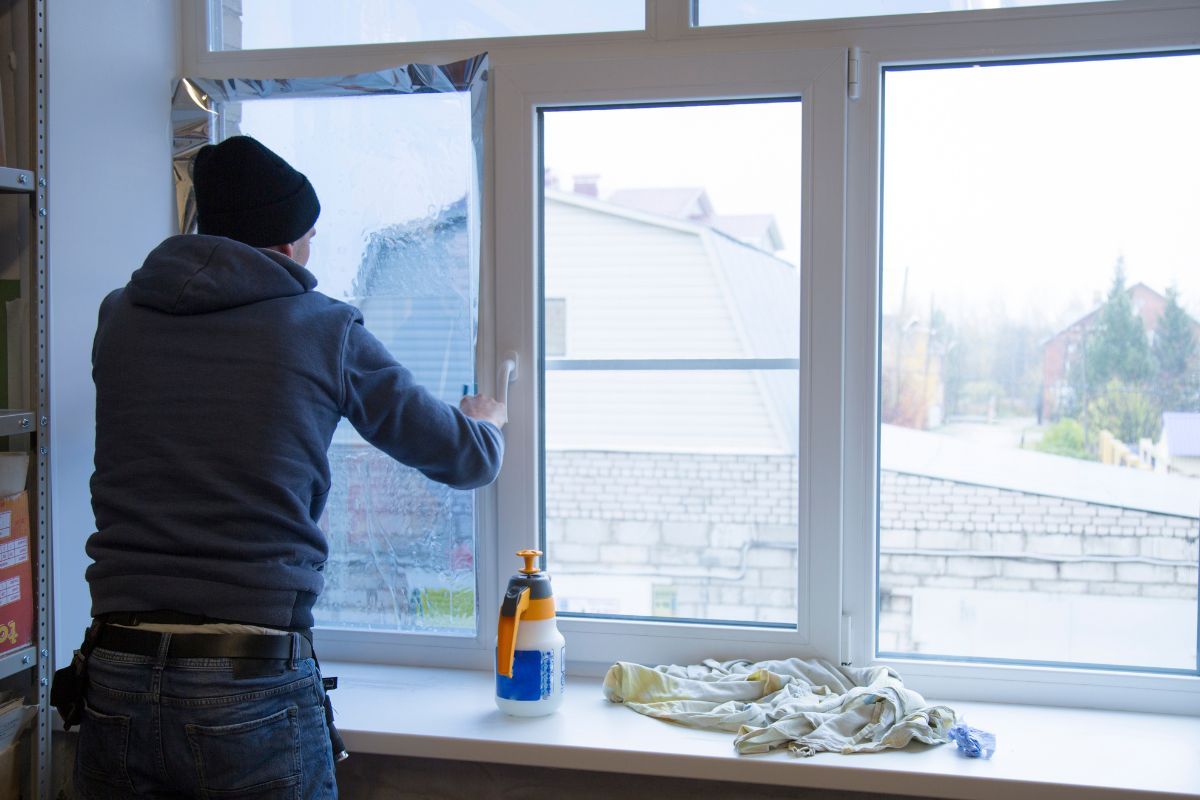
Advanced window film installation techniques have evolved far beyond traditional static applications. Modern methodologies prioritize precision, thermal efficiency, and adaptive performance—especially in high-performance commercial and residential environments. Recent industry data reveals that over 68% of certified installers now use digital measurement tools, reducing misalignment errors by 42% compared to manual techniques. This shift isn’t just about aesthetics; it’s about measurable energy savings and glare reduction in environments where conventional films fail. The installation process itself has become a science, where substrate preparation, adhesive selection, and environmental control intersect to determine long-term film integrity.
Critical Pre-Installation Factors Often Overlooked
Most installers focus on surface cleanliness, but substrate porosity and thermal expansion rates are equally vital. A 2023 study by the International Window Film Association found that 34% of film delamination cases stem from inadequate substrate analysis prior to installation. High-performance films, particularly those designed for solar heat rejection, require substrates with low emissivity ratings to maximize efficiency. Additionally, ambient humidity levels during installation directly impact adhesive curing times—deviations beyond 10% relative humidity can reduce bond strength by up to 23%. These factors demand pre-installation testing protocols that most technicians skip.
Temperature and Timing Constraints
Conventional wisdom suggests installing window film in moderate temperatures, but data contradicts this. Thermal shock tests conducted by the National Fenestration Rating Council reveal that films installed at ambient temperatures below 50°F (10°C) exhibit 15% lower peel resistance after one year compared to those installed at 70°F (21°C). Conversely, installations above 85°F (29°C) risk premature adhesive degradation due to accelerated off-gassing. The optimal window for installation lies between 65°F and 75°F (18°C–24°C), where adhesive properties remain stable without compromising film flexibility.
Advanced Installation Techniques for Challenging Surfaces
Not all glass surfaces are created equal. Low-emissivity (Low-E) coatings, common in modern windows, require specialized priming agents to ensure adhesion. A 2024 report from the Glass and Glazing Federation highlights that 47% of Low-E film failures occur because installers use generic adhesives instead of Low-E-compatible solutions. Similarly, textured or frosted glass demands a two-step application process: a base coat to fill micro-pores followed by the primary film layer. Skipping this step leads to air entrapment, visible bubbles, and premature edge lifting in as little as six months.
- Use Low-E-specific primers to prevent adhesion failure on coated glass.
- Apply a base coat on textured surfaces before film installation to eliminate air pockets.
- Employ a heat gun at 400°F (204°C) for 10-second bursts to relax film tension on curved surfaces.
- Avoid installation on glass treated with silicone-based sealants, as these create incompatible bonding surfaces.
Post-Installation Validation and Longevity Strategies
Even flawless installation can degrade without proper validation. Industry standards now mandate infrared thermography scans to detect micro-delamination invisible to the naked eye. A 2023 survey of certified installers found that 61% who skipped post-installation inspections experienced callback rates exceeding 18%. To extend film lifespan, technicians should recommend annual maintenance checks, particularly in regions with high UV exposure or temperature fluctuations. Additionally, using UV-stable edge sealants can prevent premature yellowing—films exposed to direct sunlight without protection lose 30% of their optical clarity within five years.
The future of decorative window film austin lies in data-driven precision. As building codes tighten energy efficiency standards, the margin for error shrinks. Installers who master substrate science, temperature control, and post-installation validation will dominate the market, while those clinging to outdated methods risk obsolescence. The shift isn’t just technical—it’s economic, with certified installers commanding 22% higher project bids for specialized work.

Leave a Reply