
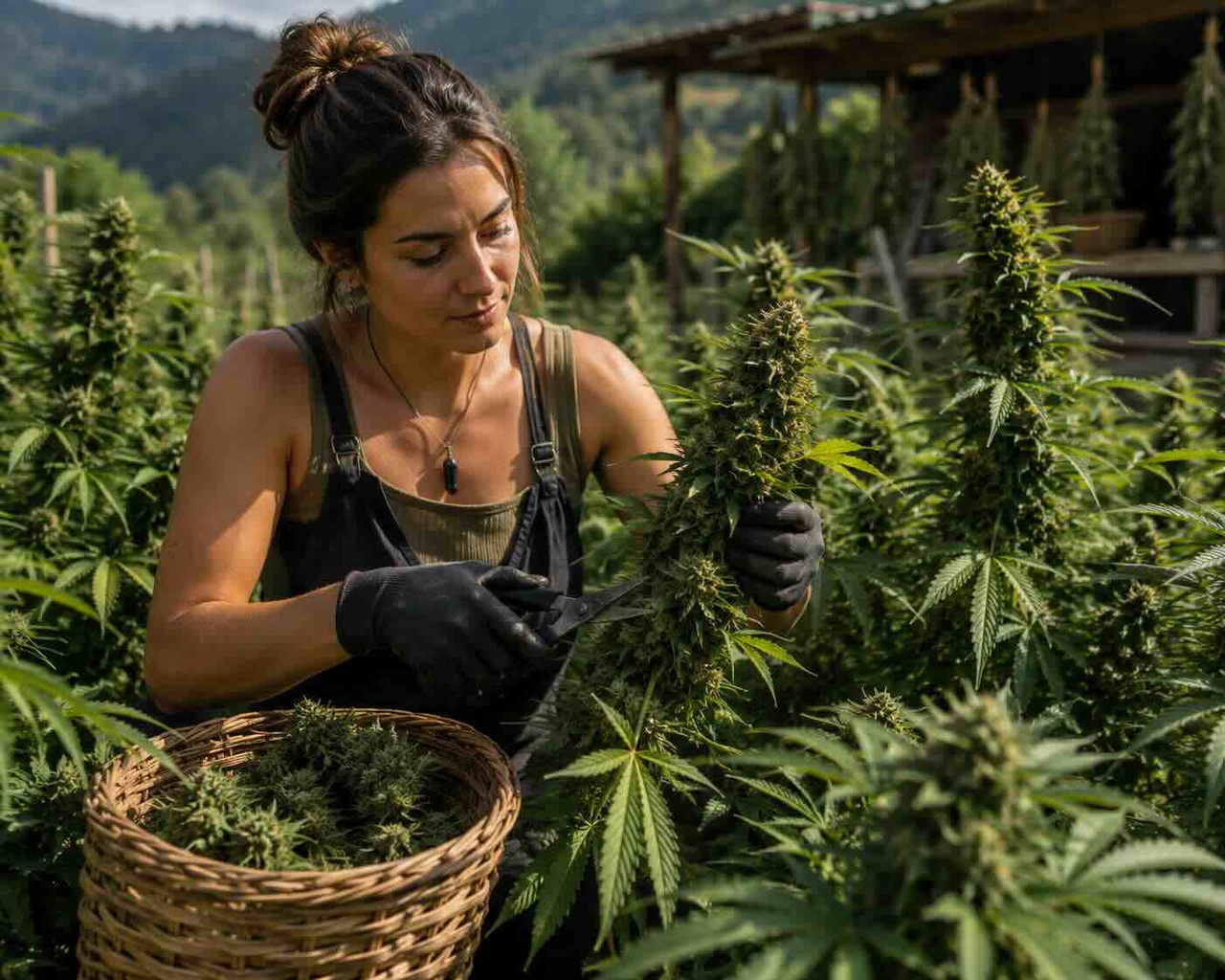
Few questions appear more frequently among new cannabis growers than whether feminized seeds or autoflower seeds are the better choice. The answer is not as simple as many seed bank descriptions suggest. After years of breeding and evaluating both types of genetics, I can confidently say that neither is universally superior. The best option depends entirely on the grower’s goals, experience level, cultivation environment, and expectations.
Unfortunately, many comparisons focus on marketing claims instead of practical cultivation realities. Growers are often told that autoflowers are easier or that feminized seeds always produce larger yields. While there is some truth behind those statements, the real differences are more nuanced.
Understanding the strengths and weaknesses of each format helps growers choose genetics that match their specific situation rather than following general recommendations.
What Feminized Seeds Offer
Feminized seeds were developed to eliminate the need to identify and remove male plants. For growers interested in flower production, this was a major breakthrough because nearly every plant produced from feminized seeds develops as a female.
The greatest advantage of feminized genetics is control. Because flowering depends on the light cycle, growers decide when plants transition from vegetative growth into bloom. This flexibility creates opportunities that autoflowers cannot always provide.
If a plant experiences stress during early development, the vegetative period can be extended until recovery is complete. Larger plants can be produced before flowering begins, often resulting in greater yields under optimal conditions.
For breeders and advanced growers, feminized photoperiod varieties also offer more opportunities for training, canopy management, cloning, and long-term mother plant preservation.
These characteristics explain why photoperiod genetics remain dominant in many commercial cultivation facilities.
Why Autoflower Seeds Became So Popular
Autoflowering genetics changed cannabis cultivation by removing dependence on seasonal light cycles. Instead of flowering in response to darkness, autos begin flowering automatically according to age.
This characteristic provides several practical advantages.
The most obvious benefit is speed. Many modern autoflower varieties complete their entire lifecycle in approximately ten to twelve weeks from seed. Outdoor growers can harvest earlier, while indoor cultivators can complete additional cycles throughout the year.
Autos are also attractive because they simplify cultivation. Growers do not need to manage flowering schedules or worry about light leaks interrupting bloom.
For hobby growers with limited space or limited time, these advantages can be significant.
Comparing Yield Potential
Yield comparisons generate endless debate. The reality is that both formats are capable of producing impressive harvests when cultivated correctly.
However, feminized photoperiod plants generally possess a higher production ceiling because growers can extend vegetation indefinitely. Additional vegetative growth creates larger root systems, stronger branching, and more flower sites.
Autoflowers compensate through efficiency. Although individual plants may be smaller, rapid harvest cycles can increase annual production in certain situations.
As a breeder, I view yield as a combination of genetics, environment, and cultivation strategy rather than a simple competition between seed types.
Growers comparing modern cultivars often research options through https://www.ministryofcannabis.com/it/ before selecting genetics. The best choice usually depends more on cultivation goals than on yield statistics alone.
Which Option Is Better for Beginners?
This question deserves a more detailed answer than most cultivation guides provide.
Autoflowers are simpler because they eliminate light-cycle management. However, they are also less forgiving. Their lifecycle continues regardless of mistakes. A stressed autoflower cannot simply remain in vegetation for additional weeks.
Photoperiod plants require more environmental control, but they offer greater flexibility. If problems arise, growers can slow down and allow recovery before flowering begins.
For this reason, I often recommend stable feminized hybrids to beginners who want to learn cultivation fundamentals thoroughly. Autoflowers can be excellent choices, but they reward growers who already understand irrigation, environmental control, and root-zone management.
Common Misconceptions About Both Types
One misconception is that autoflowers are automatically lower quality. That was often true many years ago, but modern breeding has dramatically improved cannabinoid production, terpene expression, and overall flower quality.
Another misconception is that feminized seeds always require advanced skills. In reality, many modern photoperiod hybrids are extremely beginner-friendly and highly resilient.
The quality of genetics often matters more than the flowering mechanism itself.
Breeding programs today focus heavily on stability, consistency, and stress resistance regardless of whether the final product is autoflowering or photoperiod.
Final Thoughts
Feminized and autoflower seeds each serve different purposes. Feminized genetics provide flexibility, training potential, and often greater maximum yields. Autoflowers deliver speed, simplicity, and rapid turnover.
Industry trends and commercial cultivation developments can be followed through https://cannareporter.eu, but individual growers should focus on their own objectives rather than broad market preferences.
In my experience as a breeder, the best seed type is not the one with the strongest marketing campaign. It is the one that matches the grower’s environment, experience level, and cultivation goals. When those factors align, both feminized and autoflower genetics can produce exceptional results.

Leave a Reply