
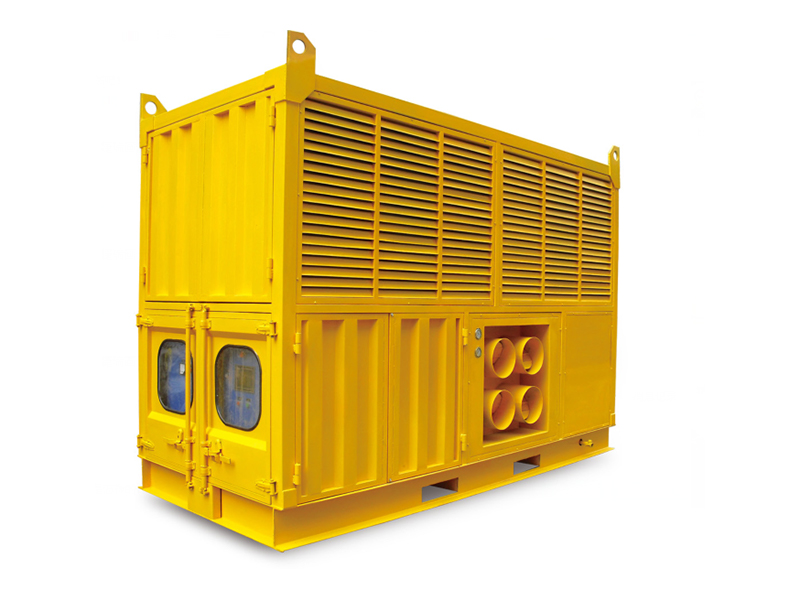
In industries that rely on dead control of situation conditions, such as electronics manufacturing, pharmaceuticals, and even food product, the grandness of high-tech dry room and dehumidification technologies cannot be overstated. These technologies play a critical role in maintaining the tone and wholeness of products that are spiritualist to wet. Over the geezerhood, considerable innovations in both equipment and processes have made it possible to accomplish and wield ultra-low humidity environments with odd precision, facultative industries to ameliorate production timber, efficiency, and refuge voc waste gas treatment equipment.
At the core of dry room applied science are extremely intellectual dehumidification systems designed to remove wet from the air with incredulous zip and . Traditional methods of dehumidification often relied on simple air conditioning systems, which could only lower the temperature and relation humidity to a certain extent. However, Recent epoch advancements in dehumidification technologies, particularly the use of desiccant-based systems, have revolutionized the work on. Desiccant dehumidifiers work by using materials that course take over moisture, such as silicon dioxide gel or zeolite, which can then be regenerated by warming to remove the captured water. This allows for around-the-clock, high-efficiency moisture remotion, even in conditions where the close air is very humid voc recovery systems factory.
One of the significant developments in this area has been the advent of loan-blend systems that combine both drying agent and refrigerating dehumidifiers. By integrating the two technologies, these systems can wield a stable and limited environment over a wider straddle of temperatures and humidness levels. This versatility makes them particularly effective in industries that require demanding verify over air timbre, such as the product of semiconductors, medical exam , and certain chemical substance compounds. The of technologies ensures that even when humidity levels rise, the dry room can chop-chop bring back to the wanted setpoint without compromising on public presentation or vim efficiency.
The power to monitor and verify the humidity levels with precision has also been greatly increased through the use of ache sensors and automated systems. Modern dehumidification systems now come weaponed with high-tech sensors that endlessly get across both the temperature and humidness of the room. These sensors communicate in real-time with a telephone exchange verify system, which adjusts the operation of the dehumidifiers to see that conditions continue constant. This take down of mechanization has rock-bottom the need for manual of arms interference, allowing for more efficient trading operations and minimizing the risk of human being wrongdoing. Furthermore, these systems often come with prognostic analytics capabilities, sanctioning manufacturers to reckon when upkee is requisite or when the system might be at risk of malfunction, thus preventing costly downtime voc waste gas solutions.
Energy is a ontogeny touch in industrial trading operations, especially with the high world power demands of dehumidification systems. Newer models are studied with energy-saving technologies that optimize the process while reducing consumption. For illustrate, variable star speed fans and motors allow dehumidification systems to adjust their surgery according to the moisture load in the room, rather than track at full power incessantly. This ensures that energy is only used when necessary, leadership to substantial reductions in operating costs. Moreover, heat recovery voc waste gas treatment order have been organic into many Bodoni dehumidifiers, capturing the run off heat generated during the dehumidification process and using it to pre-heat entering air, further improving overall vitality efficiency.
The design and construction of dry suite themselves have also seen substantial improvements. Modern dry rooms are well-stacked with high-performance materials that tighten the immersion of wet from the environment. These rooms are tightly plastered and often armed with gas-tight doors, windows, and ventilation system systems to exert the craved atmospherical conditions. In addition, high-tech air filtration systems are often used to see that only the purest, driest air circulates within the room. These filtration systems not only trap dust and particulate matter matter to but also keep airborne bacterium or other contaminants from compromising medium products.
For industries like pharmaceuticals, where even cold-shoulder variations in humidness can involve the stableness and efficacy of drugs, the grandness of finespun dehumidification cannot be exaggerated. In the production of vaccines, for illustrate, moisture can lead to the debasement of active ingredients, reducing their potential. Similarly, in the food manufacture, surplus moisture can lead to the growth of mold, spoilage, or changes in texture and flavour. Advanced dry room and dehumidification technologies see to it that these vital environments continue stalls, protective product unity and extending shelf life.
In summation to their application in manufacturing, dry rooms and dehumidification technologies are more and more being used in entrepot and logistics. Warehouses that stash awa spiritualist goods, such as , high-end textiles, or repository materials, want stern situation control to keep during long-term entrepot. In these settings, dehumidifiers are used not just to maintain product quality but also to keep issues like , mold growth, or the impairment of packaging materials.
As industries uphold to innovate and push the boundaries of what is possible, the need for even more advanced dry room technologies is becoming superficial. Researchers are workings on next-generation materials and systems that could inspire dehumidification, such as new, extremely effective desiccants, advanced nanomaterials, and even AI-driven systems that can autonomously correct not just humidness but also temperature, air innocence, and ventilating system rates to optimize the environment. The time to come of dry room engineering science promises even greater preciseness, sustainability, and vitality efficiency, ensuring that industries can uphold to meet the demands of Bodoni font product while safeguarding production timbre and reducing their situation footmark.
In termination, sophisticated dry room and dehumidification technologies have become indispensable in many industries where environmental conditions are indispensable to product tone and refuge. From thinning-edge drier systems to vim-efficient hybrid dehumidifiers, these innovations are driving improvements in efficiency, cost-effectiveness, and situation control. As engineering continues to evolve, the capacity to precisely control humidity will play an even more significant role in shaping the future of manufacturing, store, and logistics across a wide range of sectors.

Leave a Reply